Modernizing Farm Advisory Services: Linking Canadian Agriculture with Global Innovation
Register:

In-Person: http://bit.ly/3KGh6DE

Online: https://bit.ly/4oUfDr7

1) Background & Rationale

The world will need much more food by 2030—about 56% more—because populations are growing and diets are changing. Meeting this demand in environmentally responsible ways could unlock major economic opportunities by 2050.

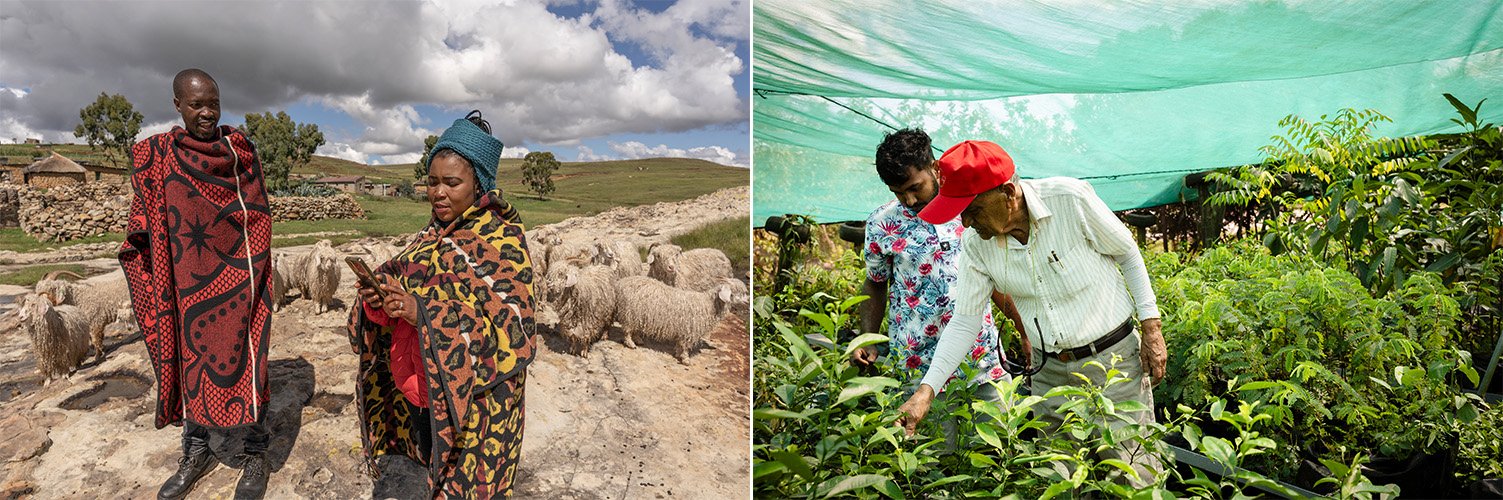
Canada has a strong agriculture sector, but farmers do not have one easy, coordinated place to turn for advice and support. Today, extension and advisory services come from many sources—provincial governments, universities, research centres, farmer groups, and private consultants. This patchwork makes it hard for some farmers—especially small and medium farms—to get timely, practical guidance.

Farmers are also dealing with pressures seen around the world: more frequent extreme weather due to climate change, labour shortages, mental health stress, misinformation, and a fast wave of digital tools and AI. At the same time, government budgets are tight, and there is a push to raise farm productivity, resilience, and competitiveness.

There is growing interest in updating how farm advice is delivered. A modern approach—often called “Extension 4.0”—combines trusted human relationships with easy-to-use digital tools. It focuses on translating research into plain language, building digital skills, and helping farmers see the whole system: markets, climate, finance, and well‑being. The University of Guelph has already catalyzed this national conversation through its 2025 CAREE conference, demonstrating strong cross-sector interest in modernizing EAS.

International experience points in the same direction. The International Fund for Agricultural Development (IFAD) has found that inclusive, market‑oriented advisory services improve productivity, resilience, and incomes—especially when public and private players work together. Farm Radio International (FRI), a globally recognized Canadian NGO, has shown that radio and mobile phones can reach large numbers of farmers quickly, make advice more interactive, and build trust. These lessons can inform a Canadian model.

This event connects Canada’s domestic goals for farm productivity and competitiveness with international best practices—using Extension and Advisory Services (EAS) as the bridge.
2) Theme

Why advisory services matter for Canadian agriculture—and how global collaboration can help Canada build a future‑ready, inclusive, climate‑smart, and market‑connected system.

3) Purpose

  • Show how advisory services can boost productivity, sustainability, trade competitiveness, and farmer well‑being in a time of climate stress and digital change.
  • Explore how to align international assistance, impact finance, and communication/digital innovations (including AI tools and two‑way, participatory communication) to design scalable models at home and abroad.
  • Create a space for collaboration, networking, and knowledge‑sharing to advance resilient food systems.

4) Objectives

  • Map Canada’s current advisory strengths and gaps (policies, institutions, delivery approaches, and digital tools), building on provincial experience and University of Guelph expertise.
  • Bring in insights on farmer mental health, rural well‑being, and digital literacy—key factors that affect whether advice is used.
  • Showcase proven international models, including IFAD‑supported programs and FRI’s participatory radio and mobile approaches, and explore how they could be adapted in Canada.
  • Identify opportunities—in Canada and globally—to link advisory services with climate‑smart practices, gender equity, and better market access, along with potential financing (e.g., blended finance, FinDev Canada, BDC, and EDC).
  • Pinpoint areas where Canadian farmers and smallholders abroad face similar challenges, and where shared learning, co‑design, or pilot exchanges could help both groups.

Hosts and Organizer


8:30 am - 9:00 am University Club, University Centre (5th Floor, Use North Elevator), University of Guelph

Registration & Coffee

Networking; exhibits from AAFC research centres, University of Guelph labs, and a Farm Radio International demo booth.

9:00 am - 9:15 am University Club, University Centre (5th Floor, Use North Elevator), University of Guelph

Opening & Land Acknowledgement

Opening & Land Acknowledgement Speaker/Facilitator: Ian Pringle, Farm Radio International

9:15 am - 9:45 am University Club, University Centre (5th Floor, Use North Elevator), University of Guelph

Keynote Messages

Participants gain broad strategic insights into the context and urgency for modernizing advisory services. They hear recognition of farmers’ challenges and calls for increased investment in advisory systems and training, along with affirmation of Canada’s role in supporting global food security goals. Speakers: 1) From Global Food Security to Canadian Farm Competitiveness: Making smart, aligned investments in advisory services Hon. Randeep Sarai Secretary of State, International Development (in-person or recorded message) 2) Why investing in global food systems matters now Dr Alvaro Lario, President, IFAD (recorded message) 3) Opportunities and challenges facing Canadian farmers Hon. Michael Coteau, Chairperson, Standing Committee on Agriculture and Agri-food House of Commons (TBC) 4) The role of education and career development in modern advisory services, President, University of Guelph Dr. Christine Baes, Associate Dean, External Relations, Ontario Agricultural College

9:45 am - 10:30 am University Club, University Centre (5th Floor, Use North Elevator), University of Guelph

Plenary I: Canada’s Advisory Services Today

Panel: Provincial advisory leads, an industry association leader, and University of Guelph researchers. Evidence: no single national system; many players; uneven adoption, especially among smaller farms. Key challenges: trade pressures, climate impacts, labour shortages, misinformation, rapid AI/digital change, and mental health stress. Linkages to Sustainable Canadian Agricultural Partnership priorities (capacity, climate, trade, innovation) Speakers: 09:45 – 10:30 Plenary I: Canada’s Advisory Services Today Participants develop a shared understanding of Canada’s existing extension landscape and its shortcomings. The discussion highlights critical challenges facing farmers – from climate change to labor and knowledge gaps – and underscores the need to align advisory service improvements with national priorities in capacity building, sustainability, trade, and innovation. Panel: Provincial advisory leads, an industry association leader, and University of Guelph researchers. Evidence: no single national system; many players; uneven adoption, especially among smaller farms. Key challenges: trade pressures, climate impacts, labour shortages, misinformation, rapid AI/digital change, and mental health stress. Linkages to Sustainable Canadian Agricultural Partnership priorities (capacity, climate, trade, innovation) Speakers: Province of Ontario: Randy Jackiw, Assistant Deputy Minister, Ontario Ministry of Agriculture Food and Agribusiness Canadia Federation of Agriculture (CFA): c/o Scott Ross, Executive Director or Farmers for Climate Solutions c/o Brent Preston, President Bioenterprise Canada: Dave Smardon, CEO University of Guelph: Dr Ataharul Chowdhury Moderator: Ian Pringle, Executive Director, Farm Radio International

10:30 am - 11:00 am University Club, University Centre (5th Floor, Use North Elevator), University of Guelph

Coffee Break

11:00 am - 11:45 am University Club, University Centre (5th Floor, Use North Elevator), University of Guelph

Plenary II: Global Models that Work

Presentations What recent evaluations say about advisory services—the business case for inclusive, market oriented models and lessons on efficiency. Speaker: Ms. Pieternel Boogaard, Managing Director, Office of Technical Delivery Demonstration of participatory radio campaigns and simple phone tools (IVR/SMS) that drive adoption and track engagement Speaker: Mr. Adeyinka Onikan, Head of Specialty Services, FRI Food Convergence Innovation Africa Network Speaker: Dr. Ebenezer Miezah Kwofie, McGill University

11:45 am - 12:30 pm University Club, University Centre (5th Floor, Use North Elevator), University of Guelph

Plenary III: Voices from the Field (Canada & Global)

Attendees hear first-hand accounts of the practical challenges and needs in farm advisory services, both in Canada and abroad. Insights from farmers and NGOs help identify gaps in support (e.g. adoption incentives, training needs) and emphasize making extension services more responsive and inclusive – for example, addressing gender gaps and integrating climate-resilient practices. Panelists CFA or Farmers for Climate Solutions (TBC) GAC Flora Mak, Deputy Director, GAC Mennonites Economic Development Associated (MEDA) Dr Dorothy Nyambi, President and CEO Canadian Foodgrains Bank Theresa Rempel Mulaire, Senior Manager for Agriculture and Livelihood Trade Facilitation Office Steve Tipman, Executive Director Moderator: Jean-Charles Le Vallee, Country Representative IICA Canada

12:30 pm - 1:30 pm University Club, University Centre (5th Floor, Use North Elevator), University of Guelph

Networking Lunch & Technology Showcase

Demos from University of Guelph labs (decision support, precision agriculture), IFAD, FRI, AAFC tools, and partner innovations.

1:30 pm - 3:00 pm University Club, UC 441, UC 430 & UC 334

Parallel Working Sessions

Break-out Sessions: Purpose: To generate actionable ideas on how Canada can learn from global experiences, adapt innovative approaches, and invest in modern Extension & Advisory Services (EAS) that strengthen farm productivity, sustainability, and trade competitiveness—while ensuring inclusivity and resilience. A. Advisory Content and Climate Smart Practices – Practical modules on climate resilience, soil health, biosecurity, and animal welfare, aligned with market standards. (Room: University Club) Enowe Inc. Angela Thalayaseelan, Global Product Executive IFAD Jahan Zeb Chowdhury Lead Technical Specialist for Environment and Climate SeedChange: Jessica Wood, Executive Director Food Convergence Innovation-Africa Dr. Ebenezer Miezah Kwofie, McGill University Moderator: Flora Mak, Deputy Director, GAC B. Digital and Media for Modern Advisory – Blending radio, mobile, voice lines, apps, and on farm facilitation; how to measure engagement and adoption. Location: Room UC 441 Farm Radio International Adeyinka Onikan, Head Special Services Viamo Soraya Verjee Partnerships Lead Livestock Research and Innovation Corp. Kelly Somerville, CEO Moderator: Carmina Marquez, IFAD C. Finance and Market Integration – Linking advisory services with input and output markets, risk management, and access to finance; options with FinDev Canada, EDC/BDC, and blended finance for advisory platforms and value chains. Location: UC Room 430 FinDev Canada Lori Kerr, CEO (TBC) Mennonites Economic Development Associates Omoneka Oyier, Director Technical Areas of Practice Bioenterprise Canada Carla Berquo, Director, Canada Food and Agritech Engine FCC (TBC) Moderator Serge LeVert-Chiasson, Managing Partner Sarona Asset Management D. Farm management and advocacy for food security - Support for women and young farmers’ entrepreneurship and digital literacy; targeted services; options with Farm Management Canada, industry associations. Room UC 334 Canadian Association of Farm Advisors Michael Bossy, National Director University of Guelph Dr Silvia Sarapura Farmers for Climate Solutions c/o Brent Preston CFA c/o Scott Ross Moderator : Jean Charles Le Vallee, IICA

3:00 pm - 3:30 pm University Club, University Centre (5th Floor, Use North Elevator), University of Guelph

Coffee Break

3:30 pm - 4:30 pm University Club, University Centre (5th Floor, Use North Elevator), University of Guelph

Policy Roundtable

Anticipated outcomes are strategies to improve farm management support in extension services (e.g. integrating business skills training into advisories) and actions to amplify farmer advocacy in policy-making. Participants likely propose ways to better serve women and young farmers (such as targeted programs for digital literacy and entrepreneurship) and agree on the importance of linking Canada’s advisory service reforms to its global food security contributions. Speakers: GAC: Nikita Eriksen-Hamel Deputy Director, Agriculture and Food Systems Bioenterprise Canada: Dave Smardon, CEO FinDev: Lori Kerr, CEO (TBC) IFAD: Jahan Zeb Chowdhury, IFAD University of Guelph: Dr Ataharul Chowdhury Moderator: Adeyinka Onikan, FRI, Head Special Services

4:30 pm - 4:45 pm University Club, University Centre (5th Floor, Use North Elevator), University of Guelph

Summary: Parallel Sessions

The event closes with a clear set of takeaways and follow-up actions. Organizers or key speakers report back on the main findings and announce any commitments or plans (e.g. drafting a policy brief, setting up future meetings) to carry momentum beyond the workshop. Participants leave with a mutual understanding of the outcomes and how these will be pursued after the event. Speaker: Mr. Ian Pringle, Executive Director, FRI

4:45 pm - 5:00 pm University Club, University Centre (5th Floor, Use North Elevator), University of Guelph

Closing Remarks

Overall highlights, main takeaways Dr Ryan Gibson, Professor, Rural Planning & Development, Regional Economic Development Director of SEDRD University of Guelph

frequently asked questions

How do I register for the event?

You can register by visiting the event page at https://www.eventbrite.com/e/idw2026-modernizing-farm-advisory-services-face-to-face-tickets-1978349788473

  • Date : February 4, 2026
  • Time : 8:30 am - 6:00 pm (America/Toronto)
  • Venue : University Club, University Centre (5th Floor, Use the North Elevator), University of Guelph
Scroll to Top