CAREE 2026 · University of Guelph
Meet the speakers
Voices from across Canadian agriculture — ranching, farm economics, livestock, agronomy, rural development, communication, research, extension and policy — join the symposium this year. Filter by focus area to browse.
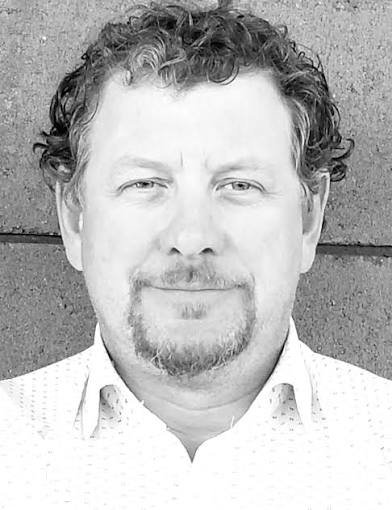
Cedric MacLeod
President, MacLeod Agronomics
Executive Director, Canadian Forage and Grassland Association
Read bio
Cedric operates Local Valley Beef, a grass-fed beef ranch in western New Brunswick, and has spent two decades as president of MacLeod Agronomics, an agri-environmental consulting firm focused on integrating sustainable practices across the Canadian ag sector. He has led the Canadian Forage and Grassland Association since 2015, working toward the sector's long-term success through strategic planning and management.

Heather Watson
Executive Director, Farm Management Canada
Canadian representative, International Farm Management Association
Read bio
Heather leads Farm Management Canada, a national non-profit that promotes strong farm business management to help position Canadian farmers for sustainable growth. In 2022 she was named one of Canada's Influential Women in Agriculture, and in 2025 she received the King Charles III Coronation Medal for her service to Canada.

Steve Duff
Farm Management Canada
Adjunct Professor, University of Guelph
Read bio
Steve grew up around dairy and beef in Northumberland County and holds a Master's in Agricultural Economics from the University of Guelph. He joined OMAFRA in 1997 and spent 15 years leading business risk management programs including AgriStability and the Risk Management Program. Steve and his wife Robyn operate a beef and cash crop farm near Colborne, Ontario, and he currently chairs the Board of Farm Management Canada as a farmer director.

Kelly Somerville
CEO
Livestock Research Innovation Corporation
Read bio
Kelly is originally from Mountain, Ontario, and holds a bachelor's degree in animal science from the University of Guelph. She has worked as a ruminant nutritionist with Cargill, as Member Relations Manager with the Ontario Federation of Agriculture, and as a Programs Analyst with the Ontario Soil and Crop Improvement Association. She co-owns Twin Valley Cattle Co., a small purebred Angus herd, with her twin sister, and currently serves as Vice President of the Ontario Angus Association.
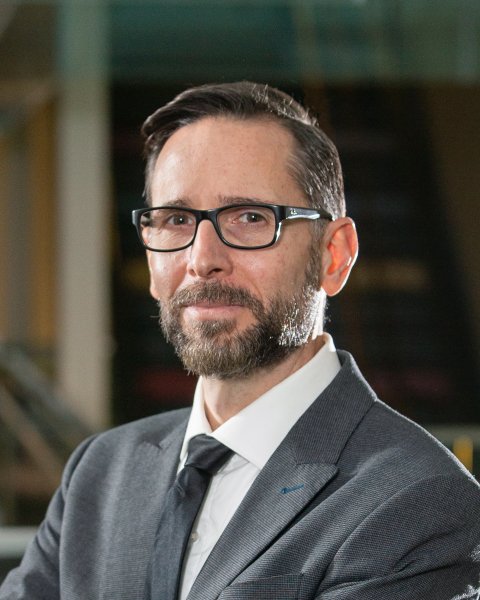
Sean Lyons
Assistant Vice-President
Graduate and Post-doctoral Studies, University of Guelph
Read bio
Dr. Sean Lyons is Assistant Vice-President, Graduate & Post-doctoral Studies at the University of Guelph and Professor in the Gordon S. Lang School of Business & Economics. Dr. Lyons's main area of research concerns inter-generational differences and their impacts on workplace dynamics and managing people. His research on generational differences in work values and attitudes has been featured in a number of media outlets, including Time Magazine, the Globe & Mail, the National Post, Macleans magazine, as well as on CBC's The National, CTV News Channel, the Business News Network and CBC Radio's The Current. Dr. Lyons works frequently with private and public sector organizations to identify and address inter-generational issues.
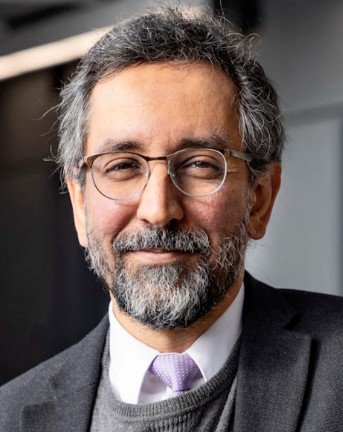
Mazyar Fallah
Vice-President
Research & Innovation, University of Guelph
Read bio
Dr. Mazyar Fallah is Vice-President, Research and Innovation at the University of Guelph and Professor in the Department of Human Health and Nutritional Sciences. A neuroscientist specializing in visual attention and eye movements, he earned his PhD from Princeton University and completed postdoctoral training at the Salk Institute. Prior to his current role, Dr. Fallah served as Dean of the College of Biological Science at the University of Guelph and held several academic and administrative leadership positions at York University, including Associate Dean, Research and Innovation in the Faculty of Health.

Steven Roche
Founder & CEO, ACER Consulting
PhD & MSc, Epidemiology, University of Guelph
Read bio
Steven is the Founder and CEO of ACER Consulting, where he helps agricultural organizations solve complex challenges through applied research, science communication, professional training, and facilitation. He holds a PhD and MSc in Epidemiology, and a BSc in Zoology, from the University of Guelph. With expertise spanning animal health, animal welfare, behaviour change, and knowledge transfer, Steven works closely with industry, government, and producer groups to translate science into practical solutions that improve outcomes on farms and across the agricultural sector.

Christine Baes
Associate Dean, External Relations
Ontario Agricultural College, University of Guelph
Read bio
Dr. Christine Baes is Associate Dean, External Relations in the Ontario Agricultural College at the University of Guelph and a leading researcher in livestock genetics and genomics. Raised on a dairy farm in Southwestern Ontario, she combines a strong connection to Canadian agriculture with international training in animal welfare and quantitative genetics. Her research focuses on genetic and genomic improvement of livestock, with extensive experience across dairy cattle, swine, goats, and horses. A central focus of her work is bridging cutting-edge research with practical applications that support livestock producers and the broader agri-food sector.

Ryan Gibson
Professor and Director
School of Environmental Design and Rural Development
Read bio
Ryan Gibson brings a deep commitment to understanding and supporting rural communities, with a research program that explores how rural places adapt and thrive amid global economic, demographic, and policy transitions. His work spans rural and regional development strategies, governance and collaboration, philanthropy and wealth, public policy, and rural immigration and mobility, with projects often grounded in community-engaged research and knowledge translation. Ryan's scholarship intersects academic inquiry with practice and policy, contributing to a richer understanding of rural prosperity and revitalization both in Canada and internationally.
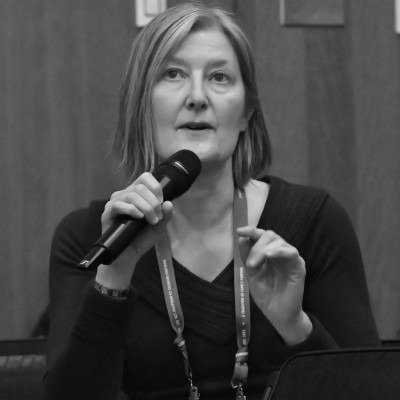
Janice LeBoeuf
Sustainable Agriculture Lead
Arrell Food Institute
Read bio
Janice works at the intersection of agriculture, food systems, science, and policy, supporting collaborations including the Loblaw Net-Zero Food Systems Challenge, Feeding the Future with Canadian Technology, and the Canadian Alliance for Net-Zero Agri-food. A University of Guelph agriculture graduate, she previously served as a provincial vegetable crop specialist with OMAFRA and is a partner in her family farm in southwestern Ontario.

Marty Vermey
Senior Agronomist
Grain Farmers of Ontario
Read bio
Marty has worked in Ontario agriculture for over 35 years, starting his career in corn breeding and seed production. Through a series of mergers he helped advance new trait technology, germplasm, and pesticides while working across product development, sales and marketing, and business management. His passion is agronomy, and he stays hands-on with the farming challenges of the Chatham-Kent area.
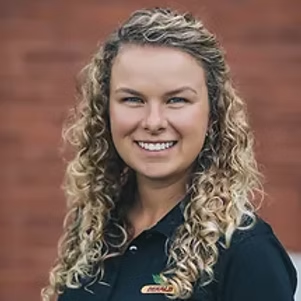
Lauren Benoit
Nuffield Canada Scholar
PhD Student, University of Saskatchewan
Read bio
Lauren Benoit is a Nuffield Canada Scholar whose travels and research have focused on how farmers, researchers, and industry can work together to accelerate innovation in agriculture. She is currently a PhD student at the University of Saskatchewan, studying how to improve nitrogen use efficiency in wheat production through plant breeding. Before returning to academia, Lauren spent several years working as a research agronomist for Bayer CropScience. She enjoys bridging the gap between research and real-world adoption, ensuring advances in research are industry relevant and create meaningful impact for producers.
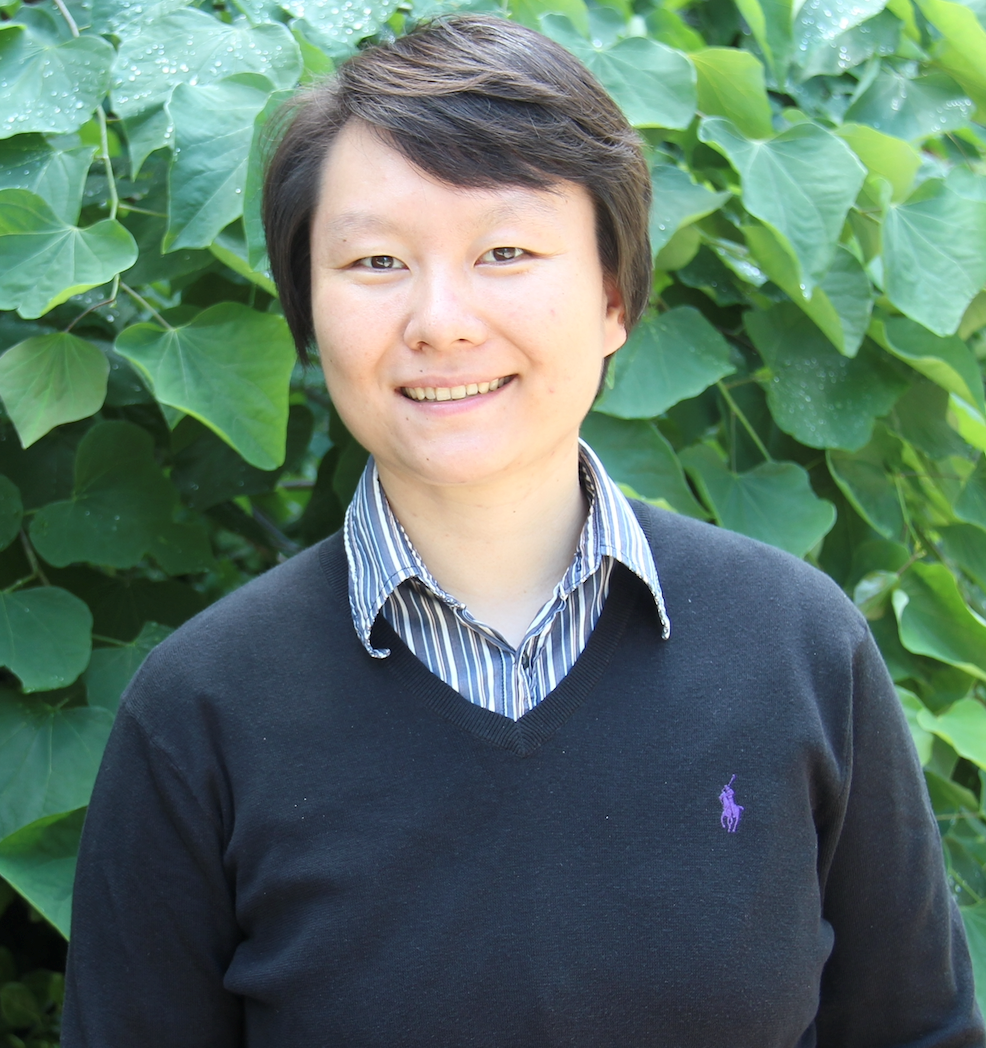
Tongzhe Li
Professor
University of Guelph
Read bio
Tongzhe Li is a Professor in the Department of Food, Agricultural and Resource Economics (FARE), University of Guelph. She is Arrell Family Chair in Behavioural and Experimental Economics and founding director for the FARE Laboratory for Experimental and Applied Economics. Tongzhe obtained her Ph.D. in Economics at Washington State University in 2015. Her passion is combining economic theory and behavioral approaches to understand the complex economic, political, and social context of a problem. She has published extensively using lab and field experiments to address agri-food-environmental issues, by studying how real people make decisions.

Edward Kusi Asafo-Agyei
Senior Program and Policy Analyst
Government of Manitoba
Read bio
Edward Kusi Asafo-Agyei is a Senior Policy and Programs Analyst with the Government of Manitoba and an agricultural development professional with experience in policy, capacity development, extension, monitoring and evaluation, and food systems. He holds an MSc in Capacity Development and Extension from the University of Guelph and an MSc in Monitoring and Evaluation. His career spans government, CGIAR, international development, and applied research in Africa and Canada. His work has addressed agricultural policy implementation, extension and advisory systems, institutional capacity, programme evaluation, policy misinformation, and sustainable food systems. His interests include evidence-informed policy, innovation, and inclusive rural development practice.

Silvia Sarapura
Associate Professor
University of Guelph
Read bio
Silvia Sarapura Escobar is an international scholar whose research focuses on food systems, agrobiodiversity, seed systems, and rural development. Her interdisciplinary and transdisciplinary work examines how diverse knowledge systems and community-led approaches can contribute to resilient, equitable, and sustainable food and agricultural systems. Her research is grounded in collaborative partnerships with Indigenous Peoples, rural communities, civil society organizations, and academic institutions across diverse international contexts. She explores food sovereignty, biodiversity conservation, community-based agriculture, knowledge governance, and intergenerational knowledge transmission, with a focus on connecting research, policy, and practice.

Ataharul Chowdhury
Associate Professor
University of Guelph
Read bio
Dr. Ataharul Chowdhury is an Associate Professor at the University of Guelph specializing in extension education, extension and advisory services, digital innovation, misinformation and trust, knowledge mobilization, technology adoption, and social shaping of artificial intelligence and emerging technologies. He has led national and global initiatives advancing extension, advisory services, and capacity development for agri-food and rural innovation.

Khondokar Humayun Kabir
Post-doctoral Research Scholar
University of Guelph
Read bio
Khondokar Humayun Kabir, PhD, is a postdoctoral research scholar at the School of Environmental Design and Rural Development, University of Guelph. He is an agri-food knowledge governance scholar working at the intersection of misinformation, artificial intelligence, advisory institutions, and climate action. His research examines how agricultural knowledge is produced, circulated, contested, and used within digital and institutional advisory systems. His current work focuses on information integrity in agrifood systems, responsible AI adoption, pluralistic advisory services, capacity development, and climate-responsive rural governance. Dr. Kabir has held Banting, Humboldt, and DAAD fellowships and has worked across Canada, Germany, and Bangladesh. He previously served as an Assistant Professor at Trent University's School of the Environment, where he taught courses in sustainable agriculture and food systems, agroecology, food and agriculture policy, and environmental implications of agriculture.

Larissa Parekh
Emergency Management Specialist
City of Mississauga
Read bio
Larissa is an Emergency Management Specialist with the City of Mississauga, leading community engagement and outreach initiatives while supporting emergency planning, response, training and exercises. Her work draws on extension principles such as capacity building, knowledge exchange and community participation. She holds a Master of Science in Capacity Development and Extension with a specialization in International Development from the University of Guelph, where her research explored the role of informal leadership and social capital in community-based climate change adaptation and resilience.

Isaac Quansah
MSc Capacity Development & Extension
University of Guelph
Read bio
Isaac Quansah is a recent graduate of the University of Guelph, where he completed an MSc in Capacity Development and Extension with a specialization in International Development Studies. His interests and professional work focus on education, international development, agriculture, community engagement and communication. He is passionate about using communication and community-centered approaches to contribute to meaningful social and economic change.
Ataharul Chowdhury
University of Guelph

Heather Watson
Farm Management Canada
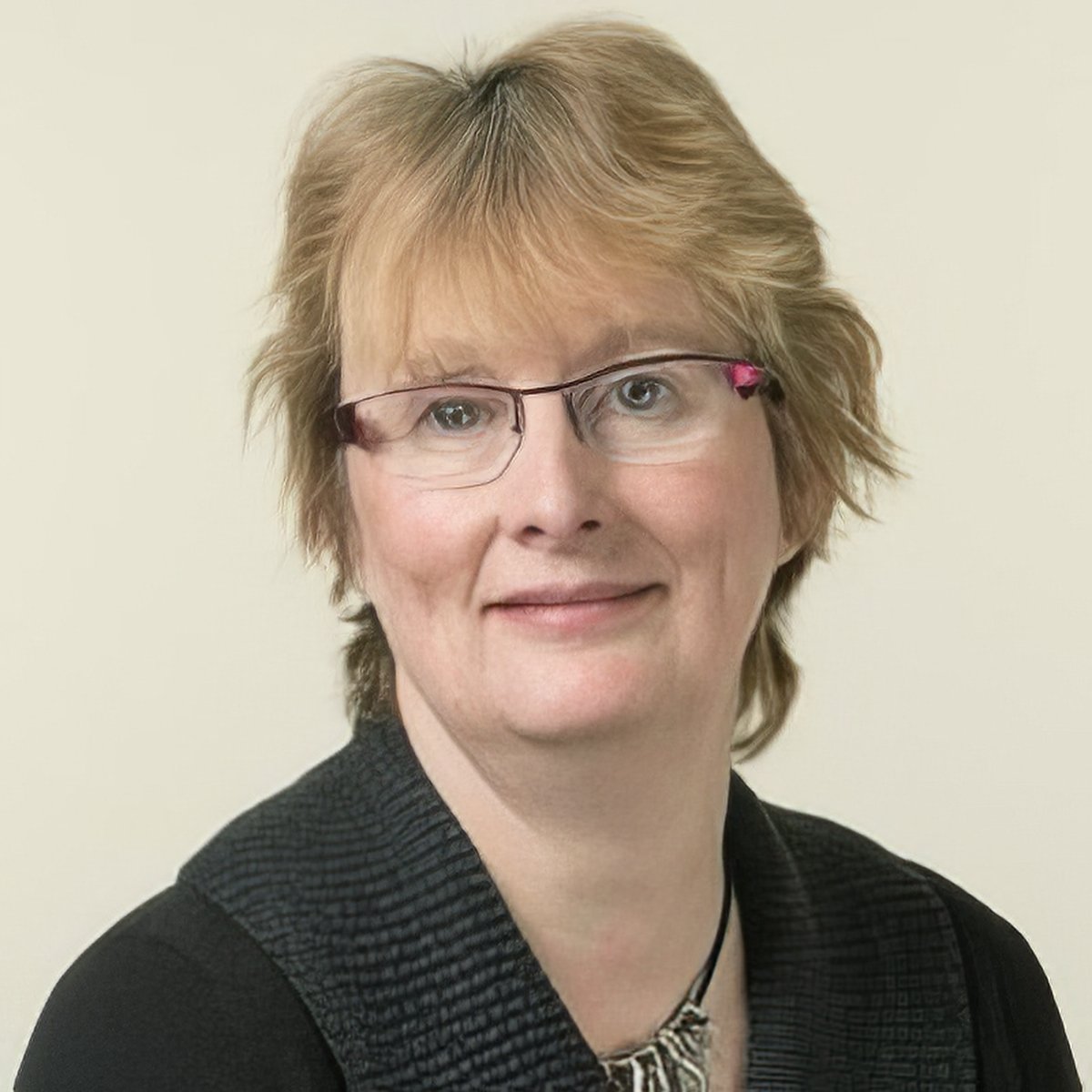
Jean Howden
Livestock Research and Innovation Corporation
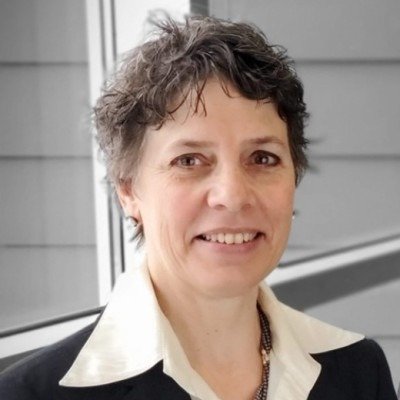
Rebecca Lee
Advocating for Resilient Communities and Sustainable Agri-food Systems

Sadaf Mollaei
Arrell Food Institute
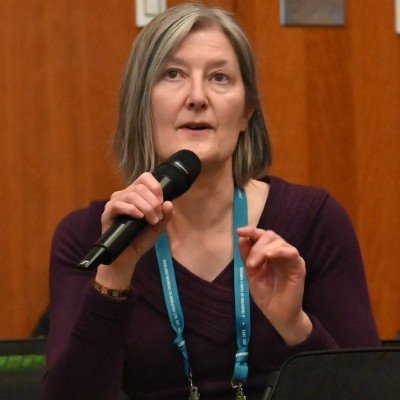
Janice Lebouef
Arrell Food Institute

Nasir Khan
University of Guelph

Milad Zhoolideh
University of Guelph

Uduak Edet
University of Guelph
Khondokar Kabir
University of Guelph
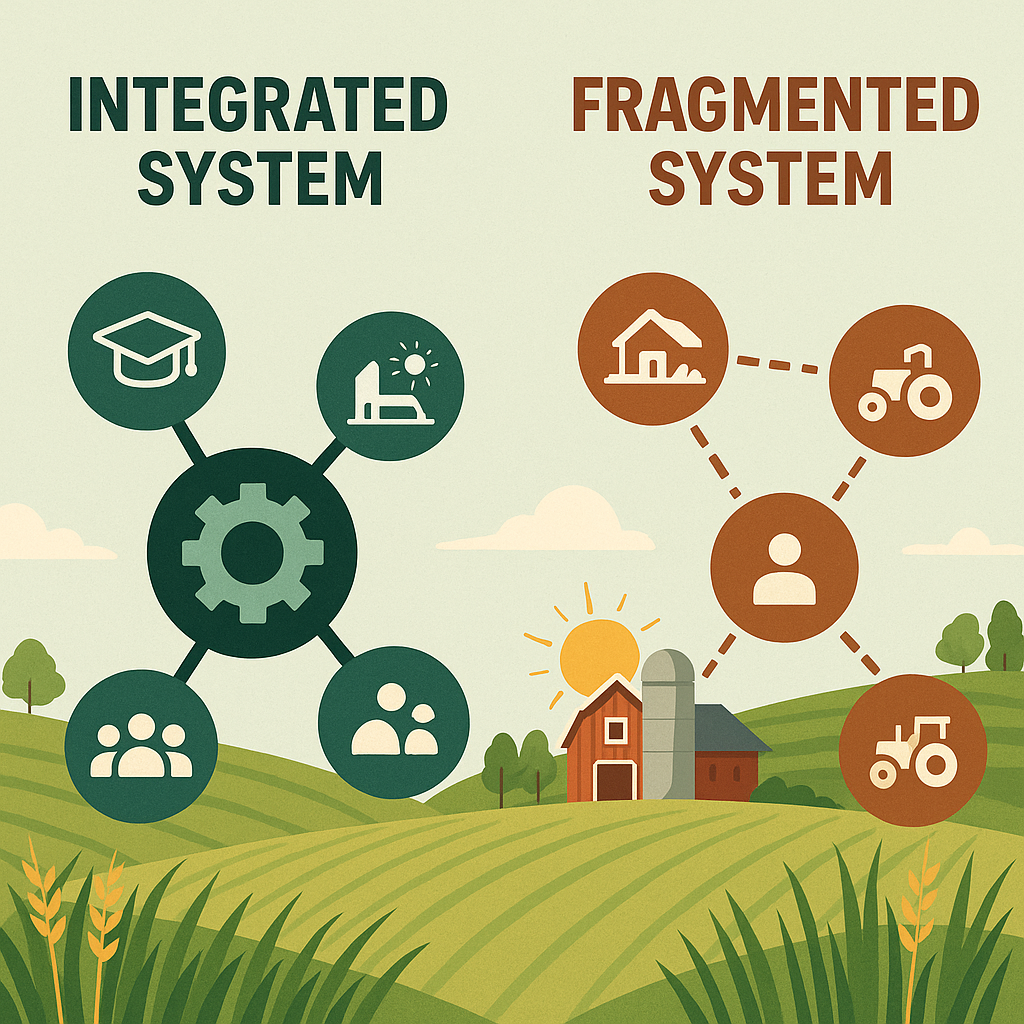
What Canada Can Learn from Scotland’s Integrated Agricultural Extension System
A great read from John Greig at Farmtario highlights the striking contrast between Scotland’s unified agricultural extension model and Canada’s […]

The Heart Behind CAREE 2025: Our Incredible Volunteers 💚
Behind every successful conference are the people who make it all happen — and at the 1st International Conference on […]

Moments to Remember: Highlights from CAREE 2025
The 1st International Conference on Canadian Agri-food & Rural Advisory, Extension, and Education (CAREE) brought together researchers, practitioners, and leaders […]
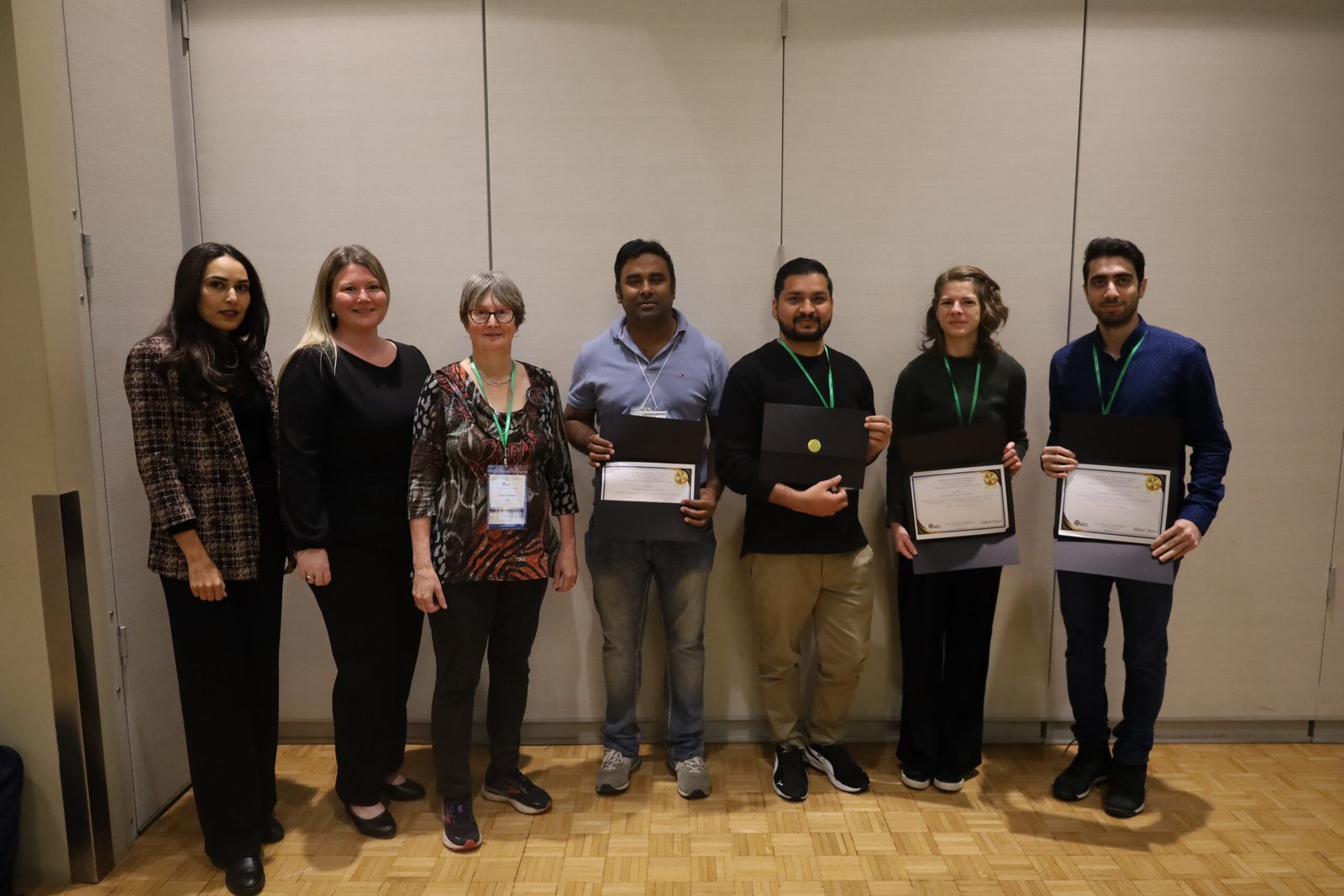
Celebrating Excellence: Best Research and Presentation Awards at CAREE 2025
Amid the inspiring discussions and shared discoveries at the 1st International Conference on Canadian Agri-food & Rural Advisory, Extension, and […]
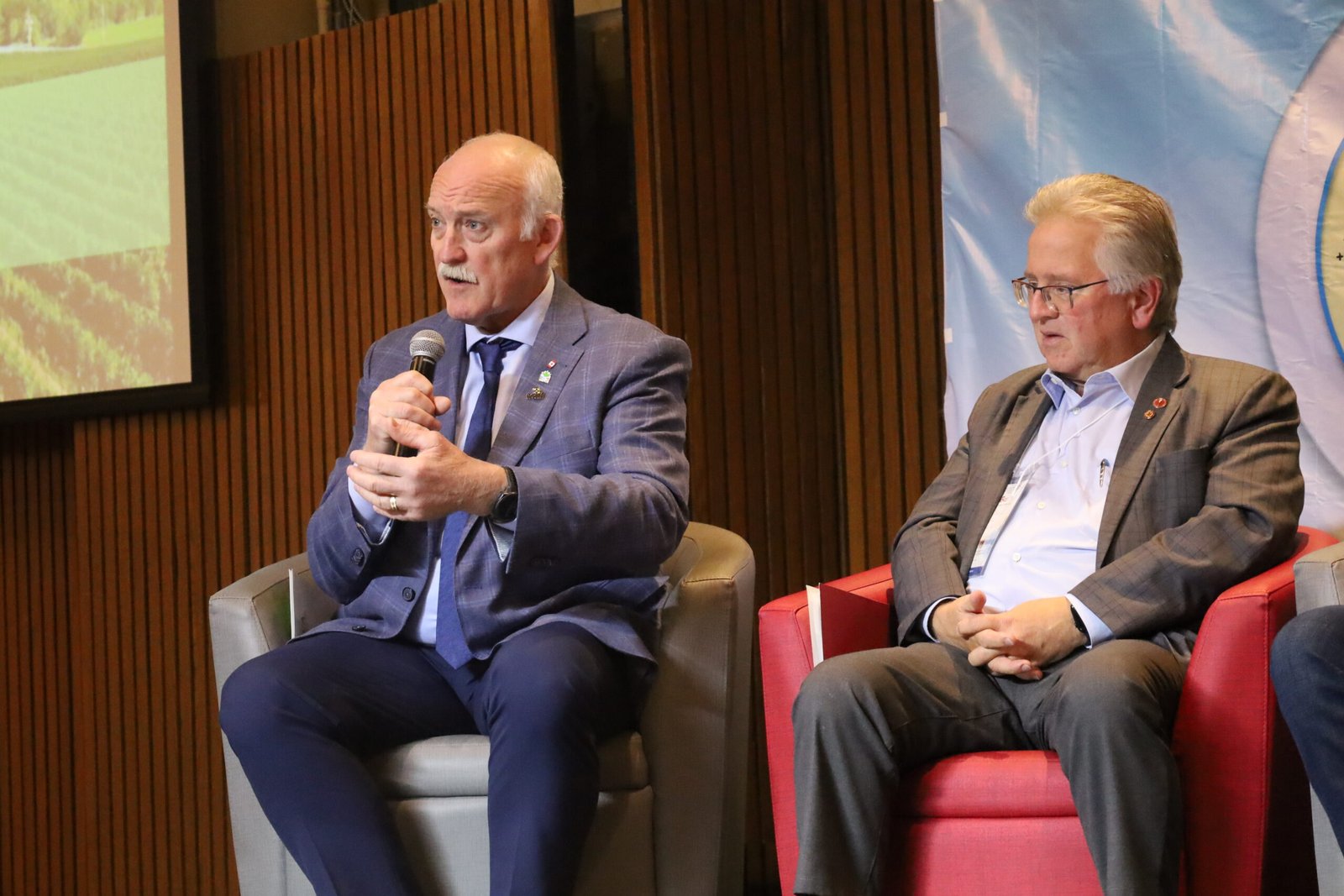
Closing the Circle: Reflections from the Final Session at CAREE 2025
As the 1st International Conference on Canadian Agri-food & Rural Advisory, Extension, and Education (CAREE) drew to a close at […]
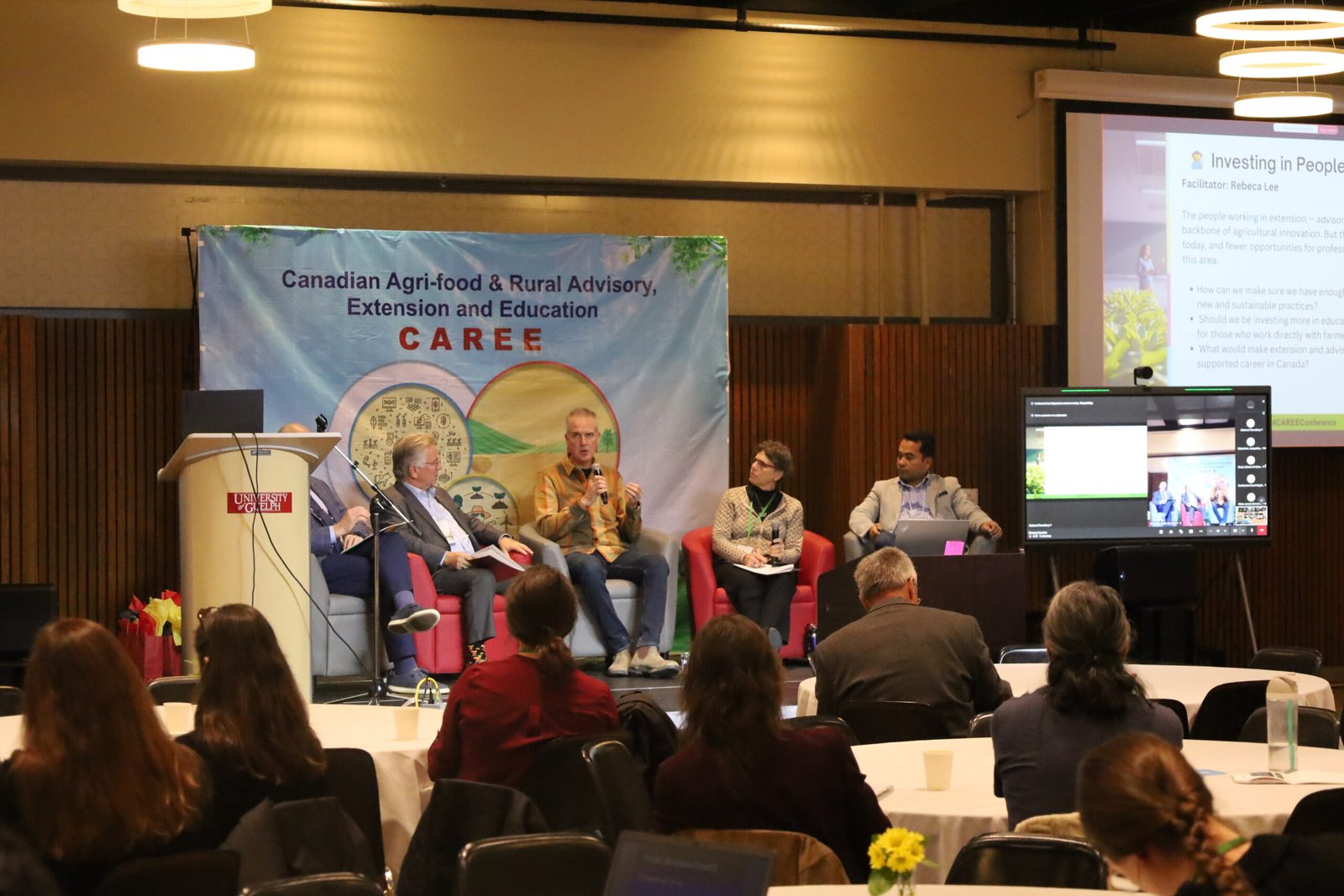
Closing Session: Opening New Doors for the Future of Agriculture
The Closing Session of the 1st International Conference on Canadian Agri-food & Rural Advisory, Extension, and Education (CAREE) marked a […]
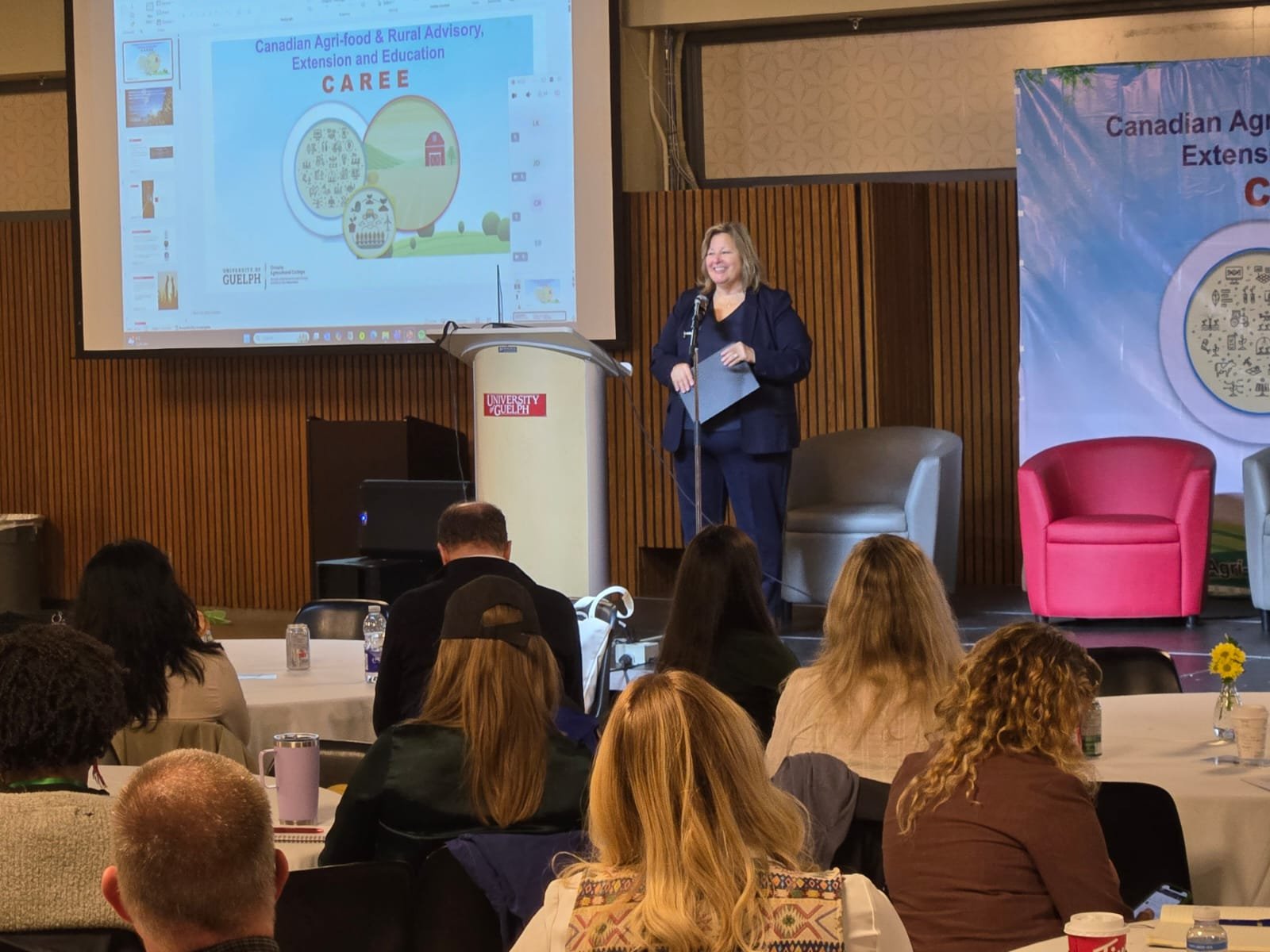
Minister Lisa Thompson Joined CAREE Plenary
The 1st International Conference on Canadian Agri-food & Rural Advisory, Extension, and Education (CAREE) was honoured to welcome The Honourable […]
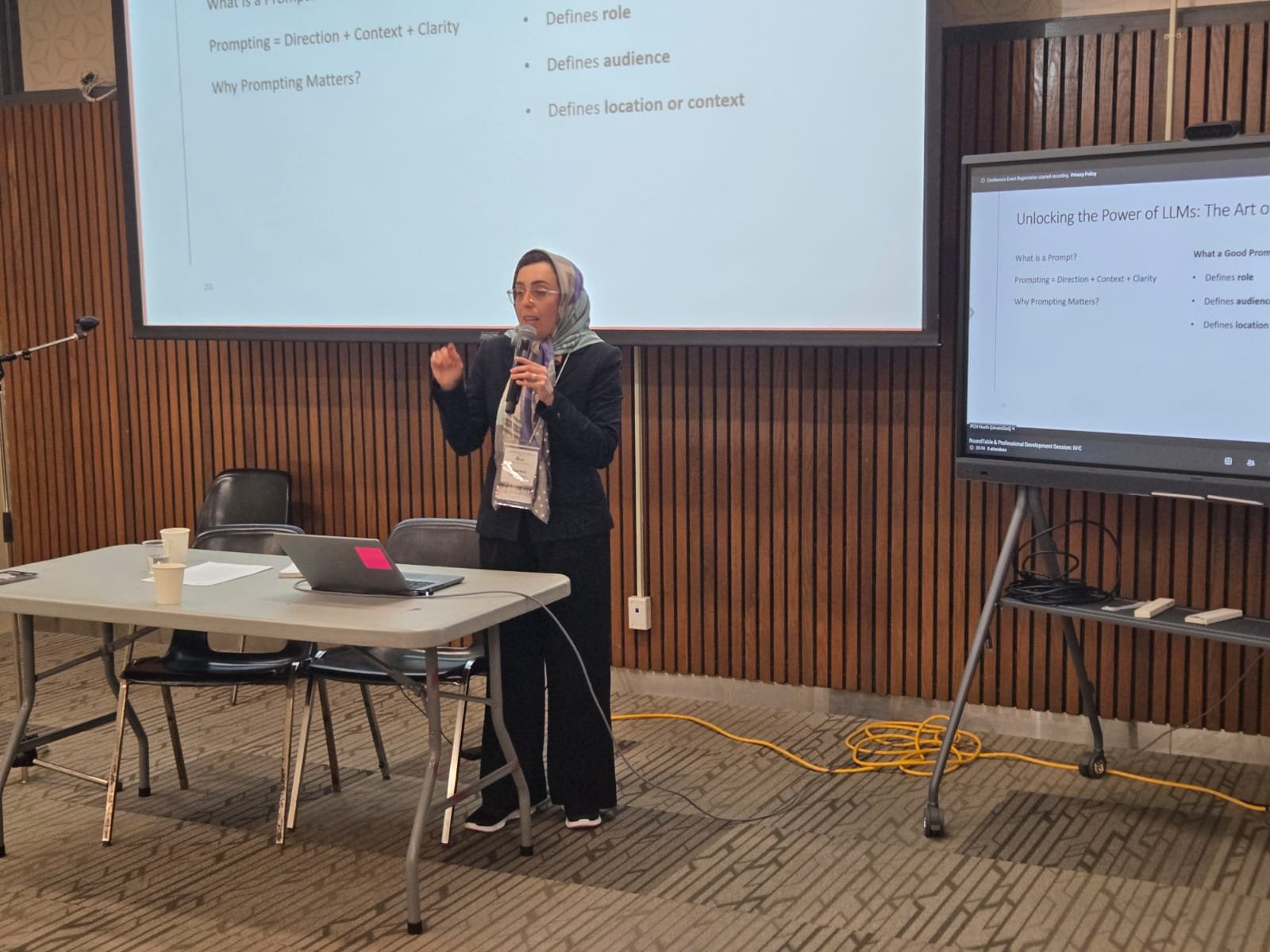
Innovating Agricultural Extension: Session IV-C Highlights
During Roundtable & Professional Development Session IV-C at CAREE 2025, participants explored how technology and innovation are transforming agricultural extension […]
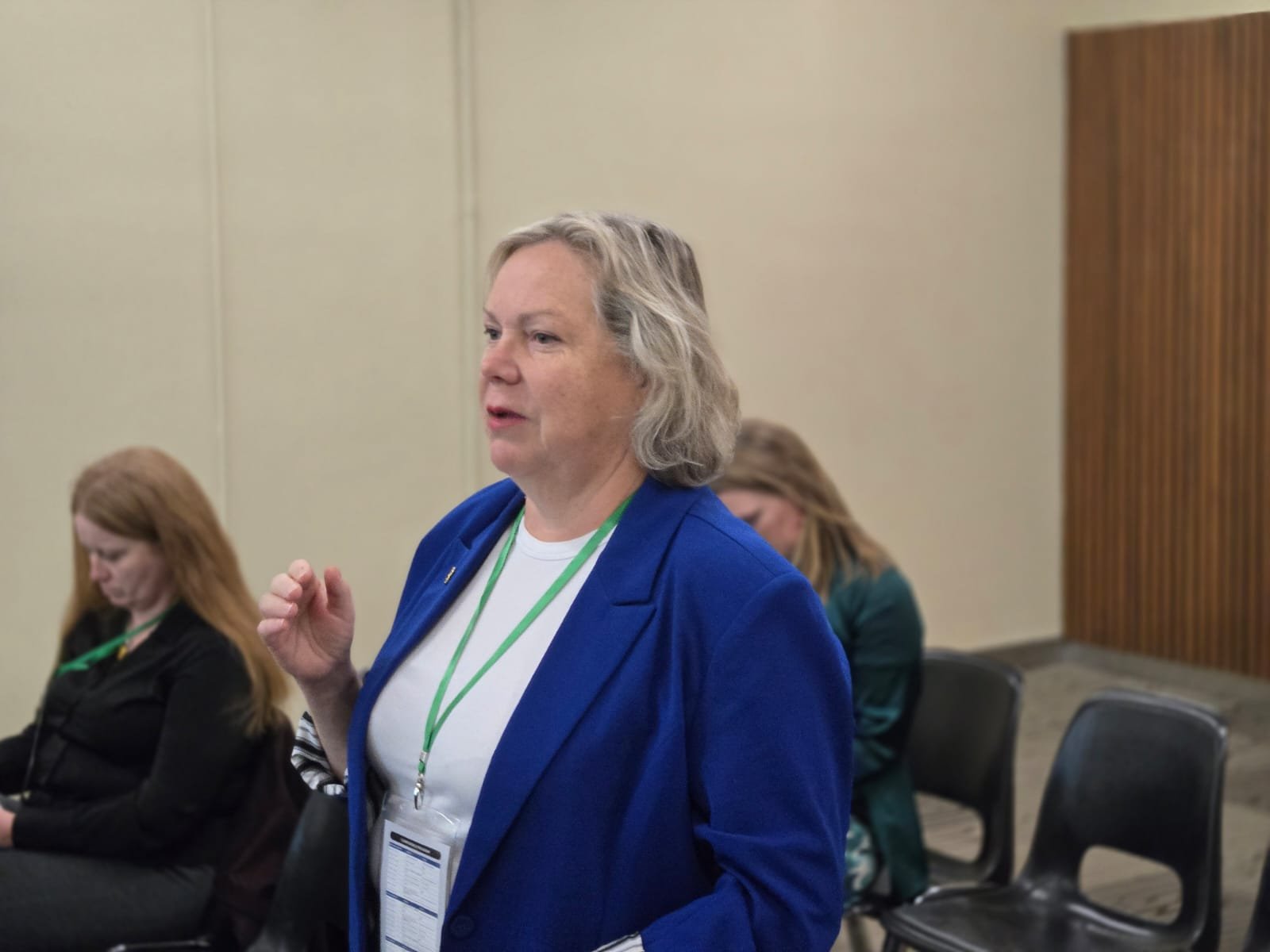
Moments from the Morning Sessions
The morning sessions at the 1st International Conference on Canadian Agri-food & Rural Advisory, Extension, and Education (CAREE) at the […]
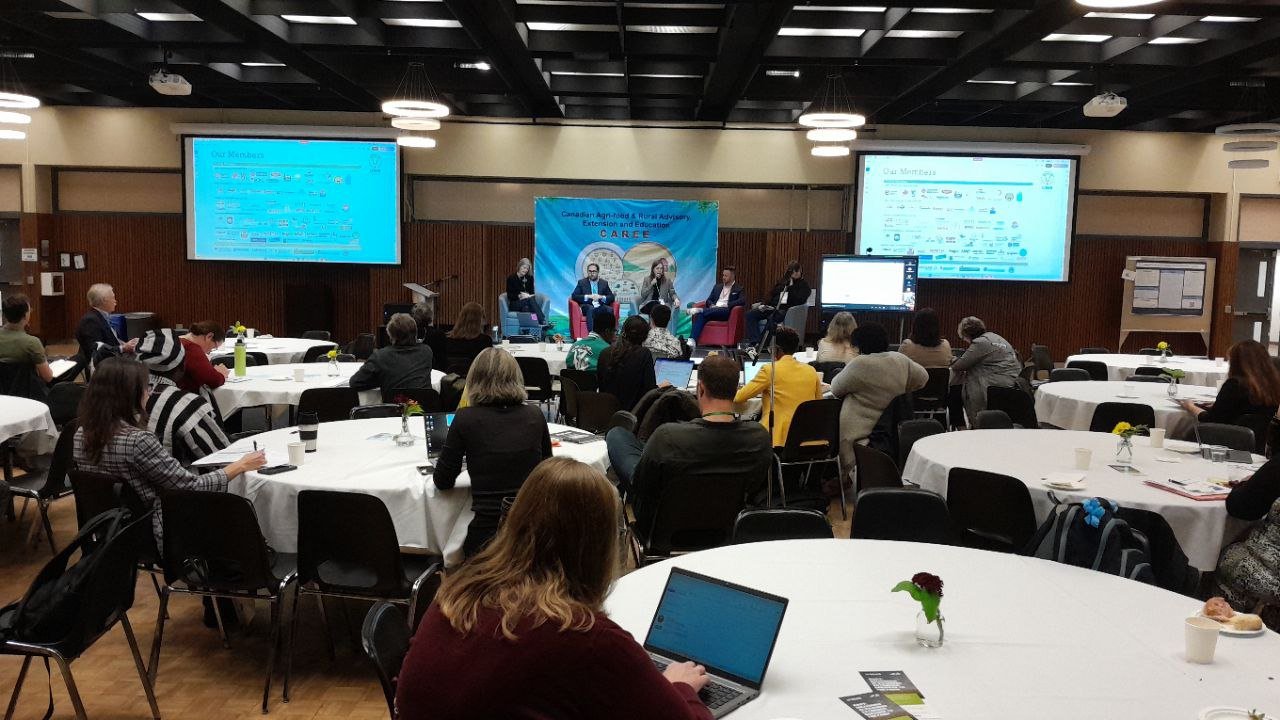
Stronger Together for Sustainability
Meaningful conversations unfolded during Parallel Session IV at the 1st International Conference on Canadian Agri-food & Rural Advisory, Extension, and […]
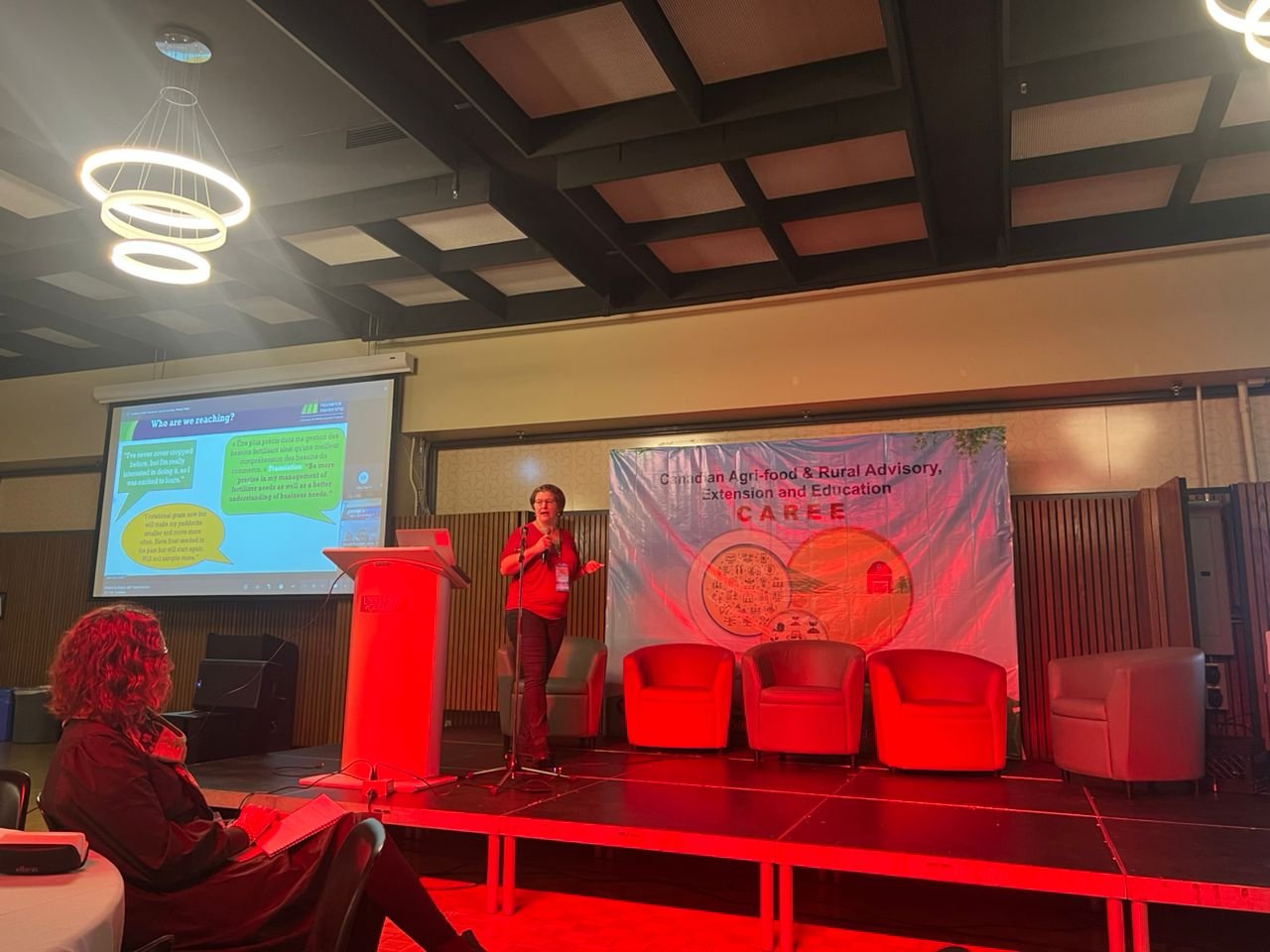
Building Resilience: Insights from CAREE 2025 Session III
Exciting discussions at Abstract Session III-D during the 1st International Conference on Canadian Agri-food & Rural Advisory, Extension, and Education […]
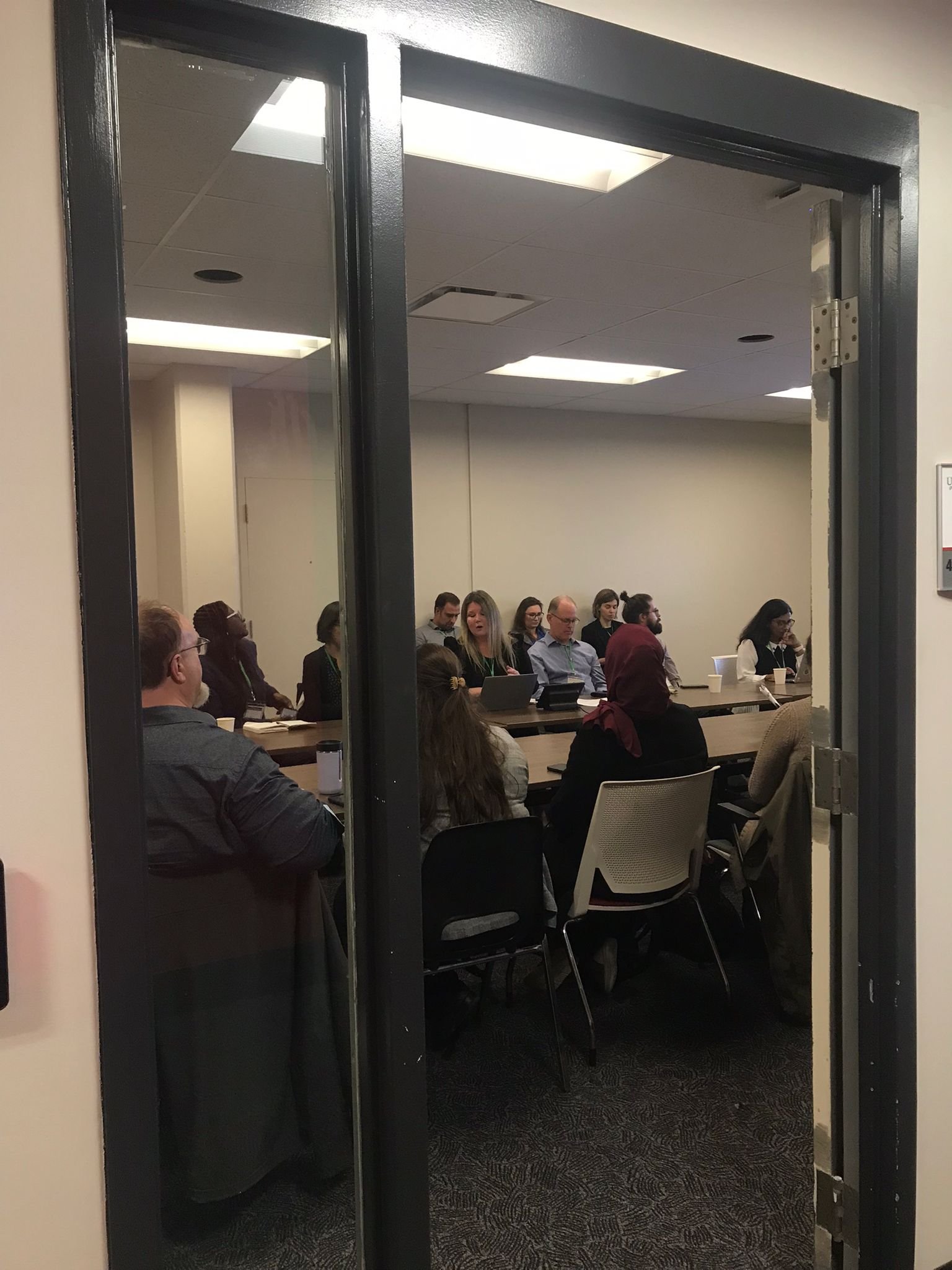
Empowering Farm Business Success: A Roundtable with Heather Watson
In a room filled with energy and ideas, Heather Watson led a lively 60-minute roundtable on “Empowering Farm Business Success: […]
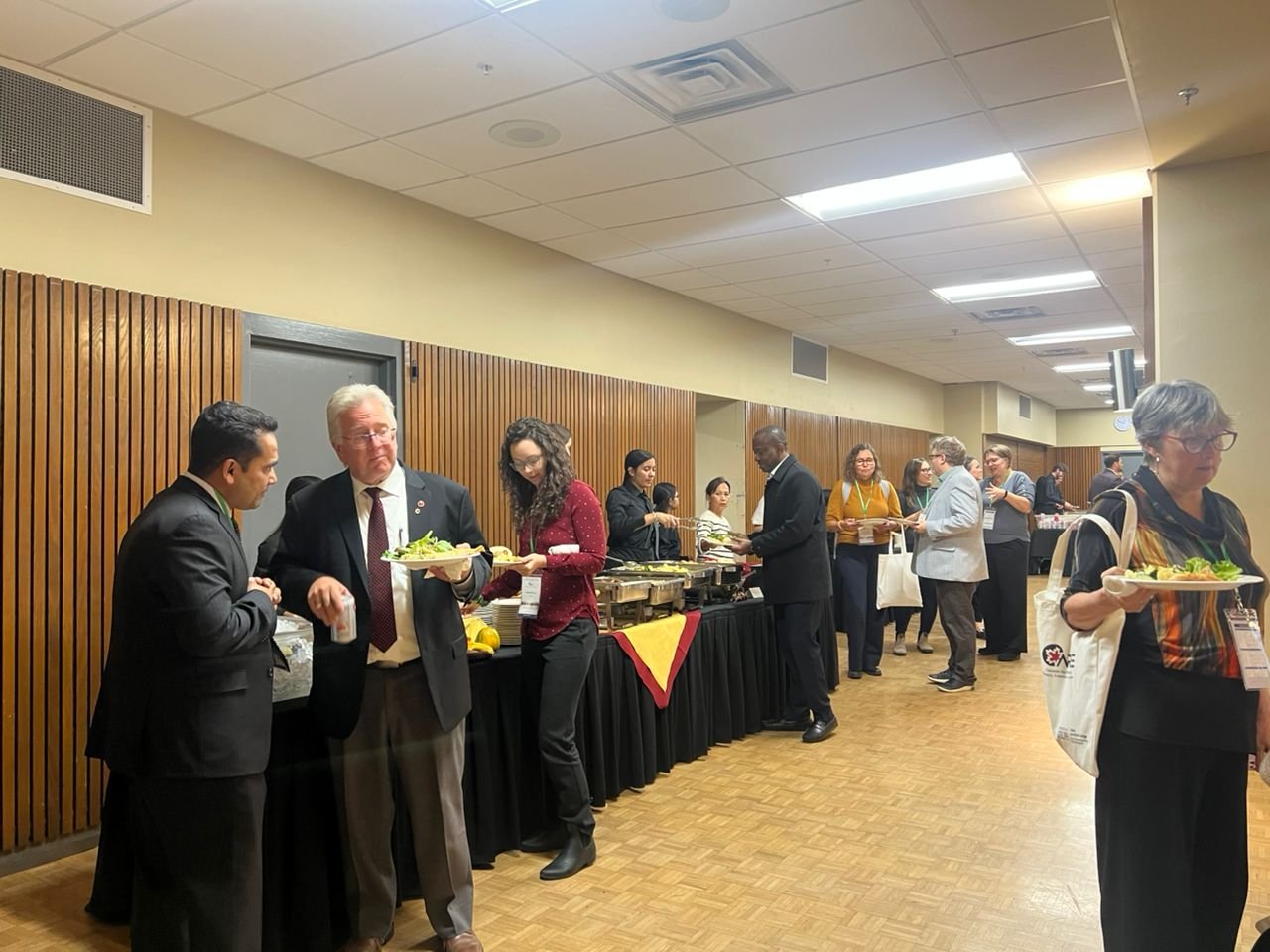
Moments from Lunch, Poster, and Innovation Expo
The halls of the University of Guelph were alive with energy during the 1st International Conference on Canadian Agri-food & […]
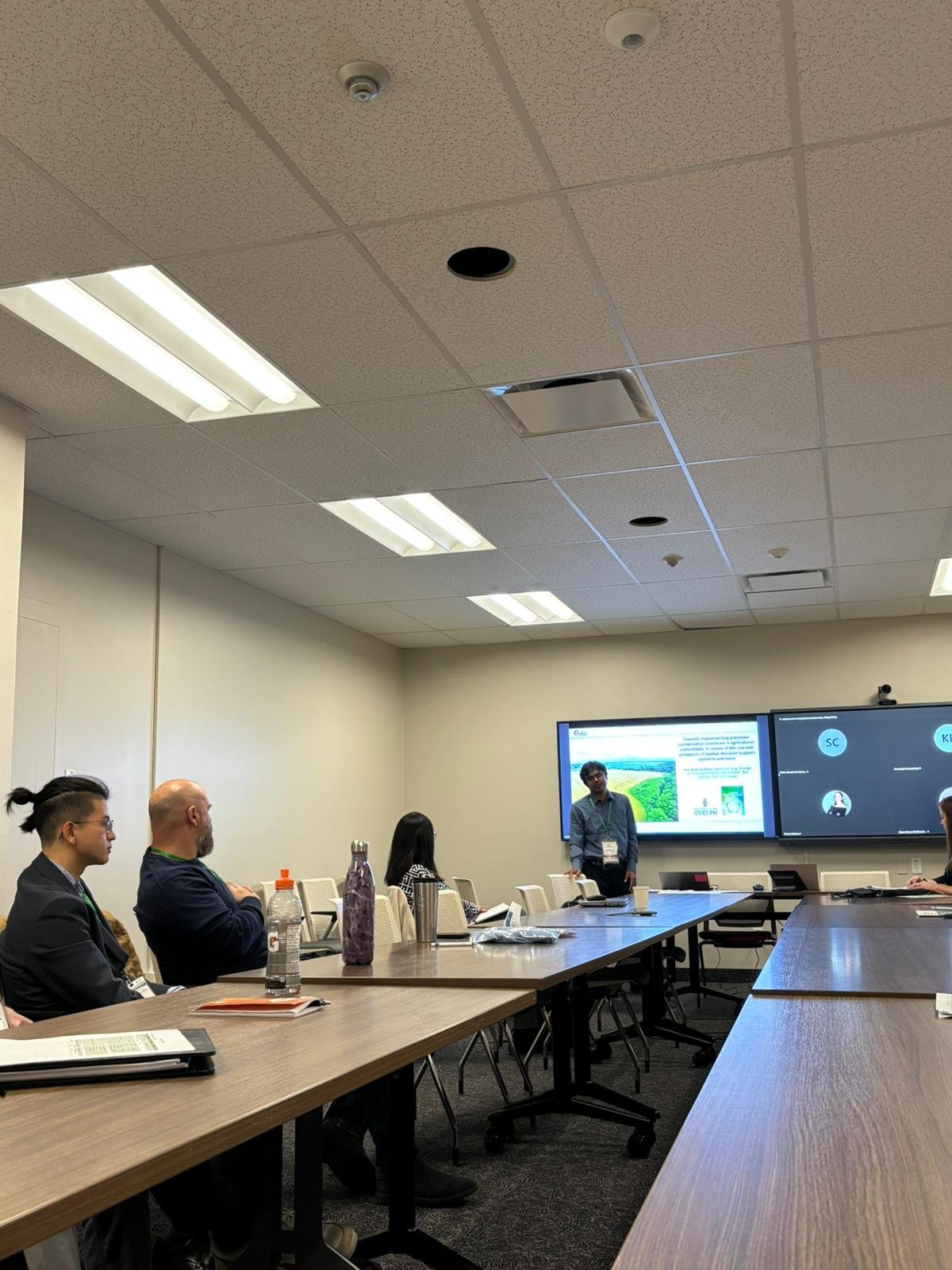
Moments from Parallel Session 1: ICT Adoption and Precision Technologies
The energy in UC Room 430 was palpable as participants gathered for Parallel Session 1 of the 1st International Conference […]
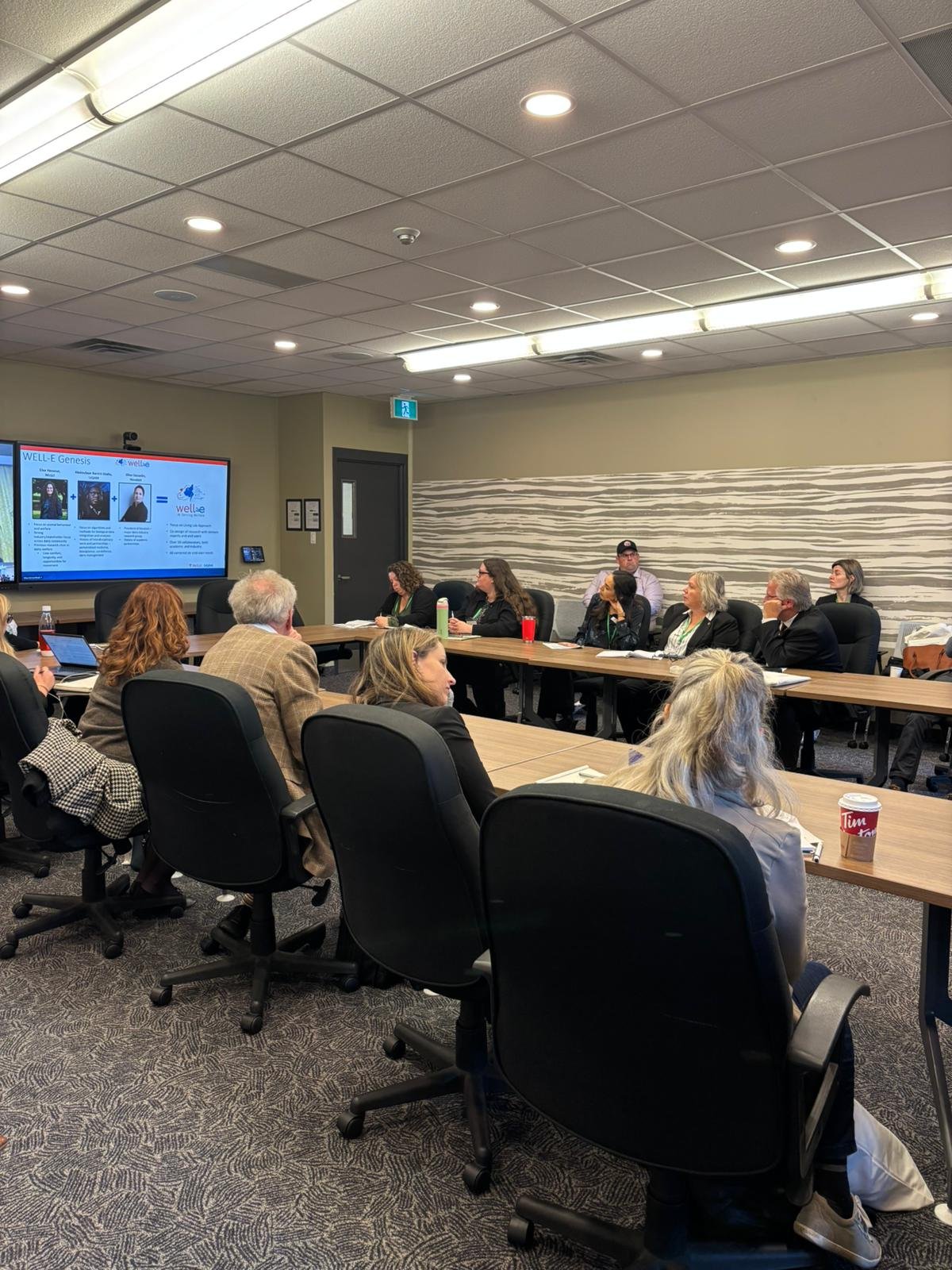
Parallel Session I – CAREE 2025
Exploring innovation in action at CAREE 2025!Our Parallel Session I on Decision Support Systems and Data-Driven Innovation (UC Room 441) […]
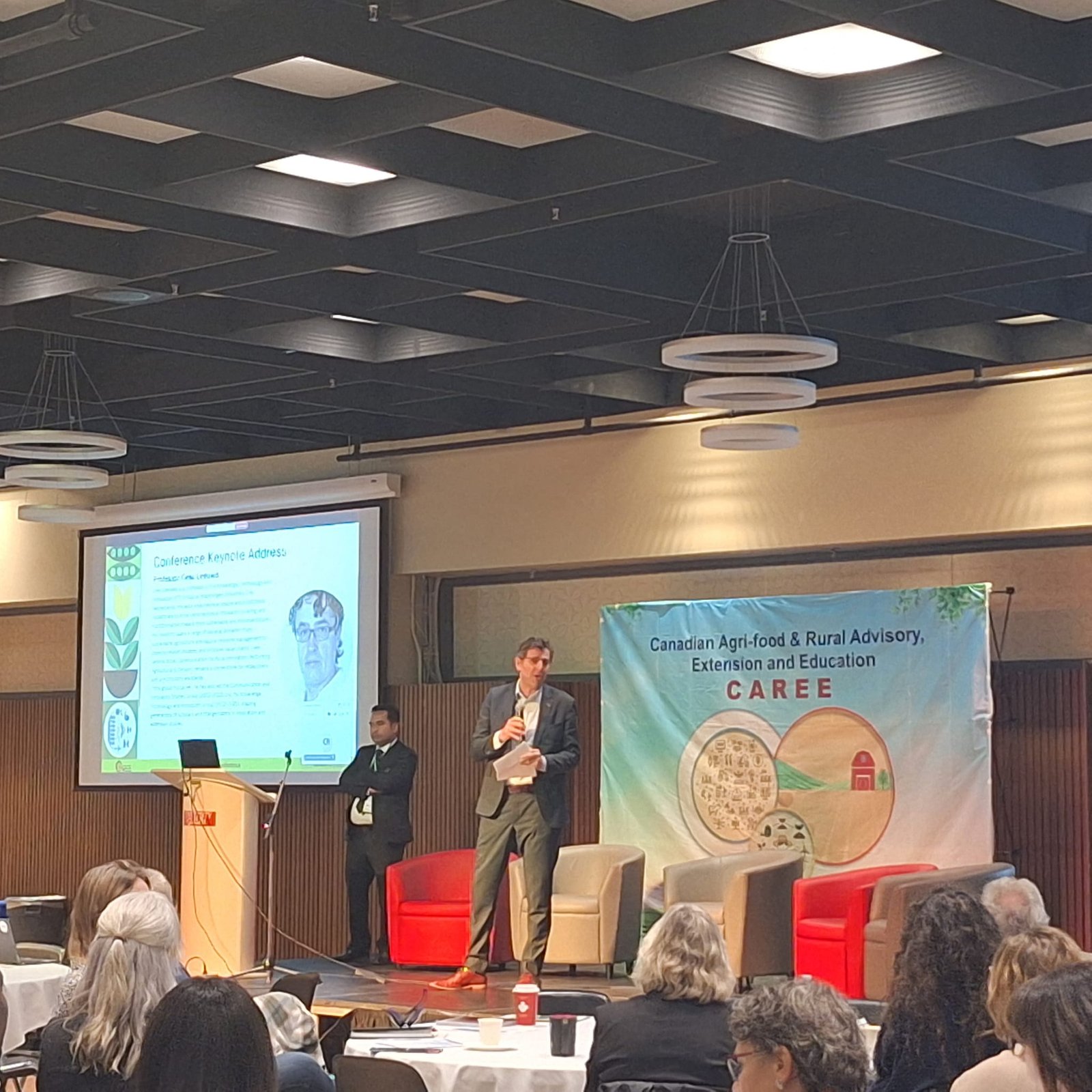
Greetings & Opening Session Highlights
Greetings & Opening Session Highlights | CAREE 2025 We were honoured to open the 1st International Conference on Canadian Agri-food […]
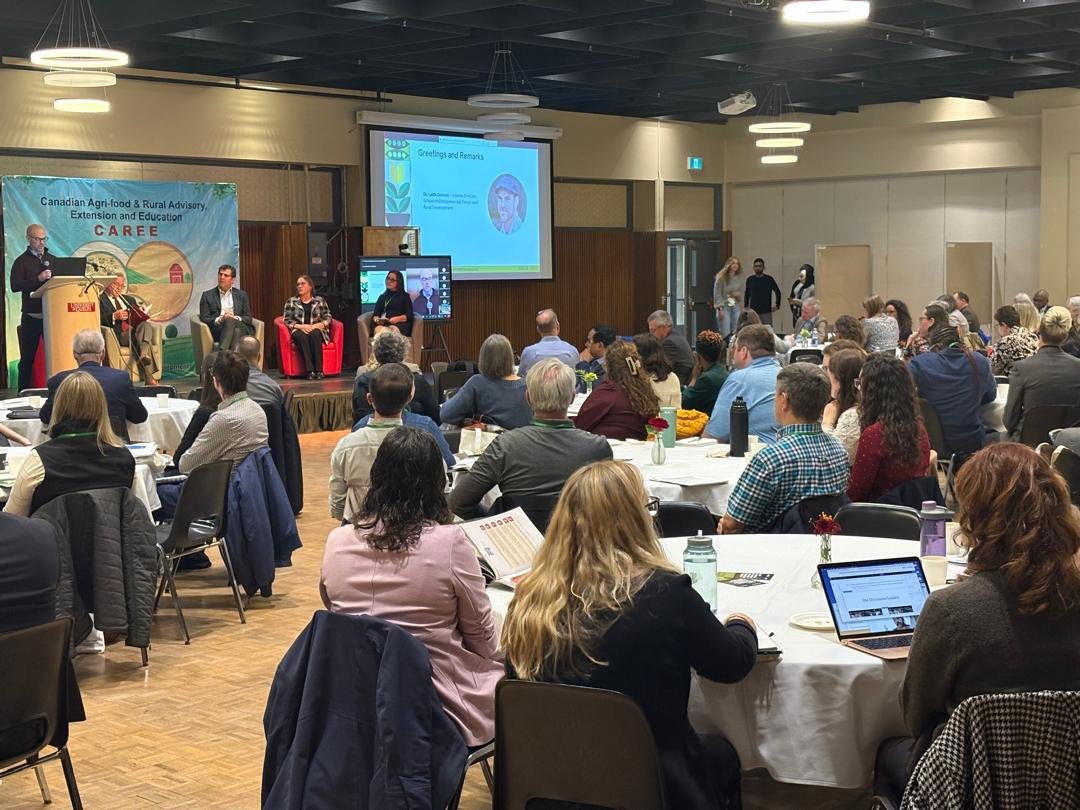
CAREE 2025 Officially Opens at the University of Guelph
🌾 Greetings & Opening Session Highlights | CAREE 2025 We were honoured to open the 1st International Conference on Canadian […]